
Falls: The Hidden Challenge in Care Homes
Every year, millions of older adults experience falls, often with devastating consequences. In care homes, the stakes are even higher: falls are the leading cause of injury, hospitalisation, and loss of independence among residents.
Traditional prevention methods—like regular checks and manual monitoring—are helpful, but they can’t catch every risk, especially at night or during busy shifts.
Enter AI: A New Era of Safety
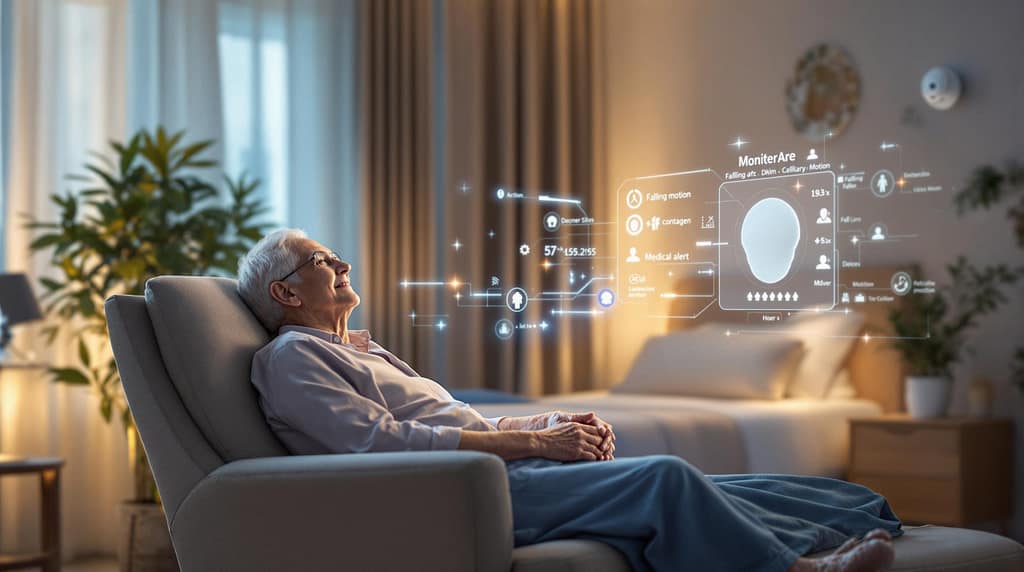
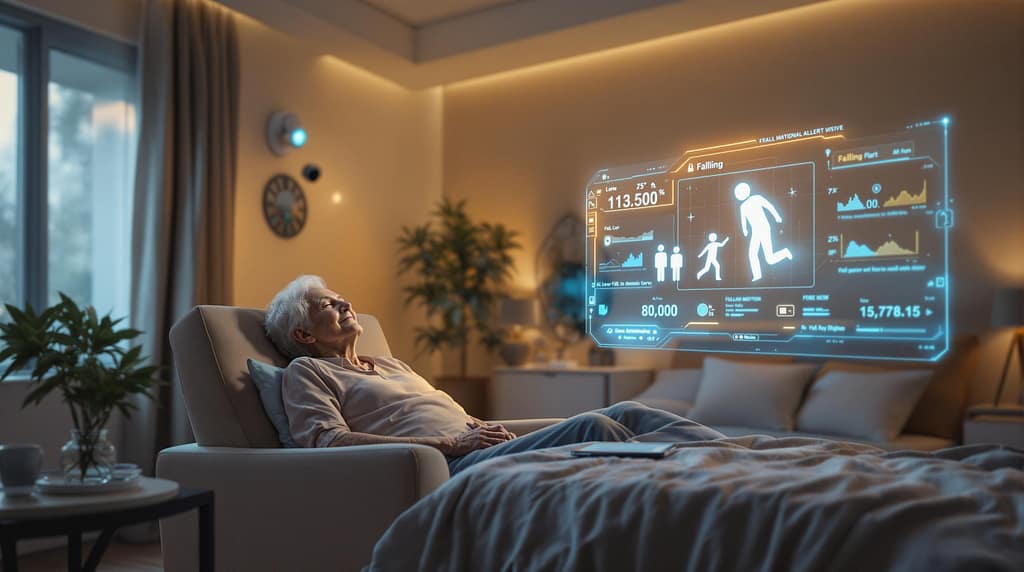
Artificial intelligence is changing the game. Today’s AI-powered systems are more than just alarms—they’re proactive partners in care. Here’s how:
- Predictive Monitoring: Advanced sensors predict when a resident is about to move, sometimes up to a minute in advance, giving staff precious time to intervene before a fall happens.
- Touchless Detection: Radar sensors monitor rooms without cameras or wearables, instantly detecting falls while preserving privacy.
- Smart Environmental Integration: AI-powered lighting automatically illuminates when residents get up at night, reducing the risk of tripping in the dark.
- Multi-Sensor Analytics: By combining data from multiple sources, AI can spot subtle changes in health or movement patterns, alerting staff to risks before they escalate.
Real Results: A Game-Changer in Action
At Hartland House in the UK, the installation of Nobi’s AI-powered smart lights delivered remarkable results:
- 84% reduction in falls (preventing 4 out of 5 falls)
- 28 times faster response to incidents (from nearly 1 hour to under 2 minutes)
- 100% fall detection rate (previously 64% of falls went undetected)
Staff report less stress, fewer late-night rounds, and more time for meaningful care. Families gain peace of mind, knowing their loved ones are safer than ever.
Privacy and Dignity: Built In
One of the biggest concerns with monitoring technology is privacy. The latest AI solutions address this head-on: many use radar or anonymised data instead of cameras, and all are designed to respect resident dignity. Integration with existing nurse call systems and health records means no extra hassle for staff.
Looking Ahead: Smarter, More Personalized Care
The future is bright. Wearable AI devices, smarter building systems, and personalized risk assessments are on the horizon. As these tools become more sophisticated, care homes will be able to offer even safer, more responsive environments—without sacrificing the human touch.
Why It Matters
With fall-related healthcare costs soaring and the population aging, AI-powered fall prevention isn’t just a tech upgrade—it’s a necessity. For care homes, it means fewer accidents, lower costs, and better outcomes. For residents and families, it means greater independence, dignity, and peace of mind.
Want the Complete Picture?
This article only scratches the surface. For detailed case studies, comprehensive technology comparisons, implementation guidelines, and cost-benefit analyses, download our complete AI Fall Prevention Research Report – featuring data from leading companies like SafelyYou, VirtuSense, Vayyar Care, and more.
Want to learn more about how AI is transforming care? Stay tuned for our next issue, where we’ll explore the latest breakthroughs in resident wellbeing.
